Claude Duet Is Here. Here's Why I'm Keeping My Own AI Team.
Anthropic just shipped Claude Duet, a proactive AI agent on the same Claude models I use — here's what it does well and why my 41-agent dashboard still runs the business.

On October 21, Anthropic released a research preview of Claude Duet, and my phone hasn't stopped buzzing. Half the messages say "they built your thing." The other half ask whether I'm shutting my system down now that Claude does it out of the box.
Both reactions make sense. Duet is a proactive AI agent. It watches your email and calendar, sends you a morning brief, works on its own computer while you sleep, and asks before it does anything that matters. That's very close to what I've been describing to designers for the past year. And it runs on Claude, the same family of models every one of my agents runs on.
So I'm not shutting anything down, and the reason isn't that Duet is bad. It's good, and I'll show you exactly where. The reason is that Duet is one assistant in one chat thread. My AI agent dashboard is a whole staff. For a business, those two things work very differently. This post covers what Duet is, what it does well, what it can't do yet, and why my dashboard is still the better way to run a design firm.
Key Takeaways:
- Claude Duet is Anthropic's proactive agent: a separate app, released October 21, 2026 as a research preview, that monitors your connected apps, sends a morning brief, works in its own cloud computer, and asks before it sends, pays, signs, or deletes.
- Access is narrow for now: it's waitlist-only, available only to US Claude Pro and Max subscribers, with no Team or Enterprise plans. It shares your plan's usage limits, and its background checks count against them.
- Same brain, different shape: Duet and my agents both run on Claude. The difference is one generalist assistant in one thread versus 41 agents organized into departments with managers.
- The dashboard is the advantage: I can see every agent, every run, and every approval on one screen, backed by a database I own. You can't watch Duet's browser.
- Use the right tool for the job: Duet is a great personal chief of staff for a solo professional. If AI is going to run real parts of your business, give it an org chart.
*Affiliate links may be used throughout this article. Read our Privacy Policy for more information.
Table of Contents
What Claude Duet Is
Claude Duet is a separate app from Anthropic, available on iPhone, Android, and the web at claude.ai, where Claude works for you instead of waiting for you. The regular Claude app waits until you open a chat. Duet comes to you.
Here's how Anthropic describes the day-to-day. Each morning, Duet sends a short brief with the most important things across your connected apps: a job offer about to expire, a contract redline, a permit fee waiting on approval, a customer issue. Every few hours it checks your accounts again and messages you only when something needs attention. You can hand it work by typing or talking, in one ongoing thread, whether it's a quick reply or a week-long project. It runs on its own virtual computer with a browser, so your laptop can be closed and your phone can be in your pocket. When the job is done or needs a decision, it notifies you.
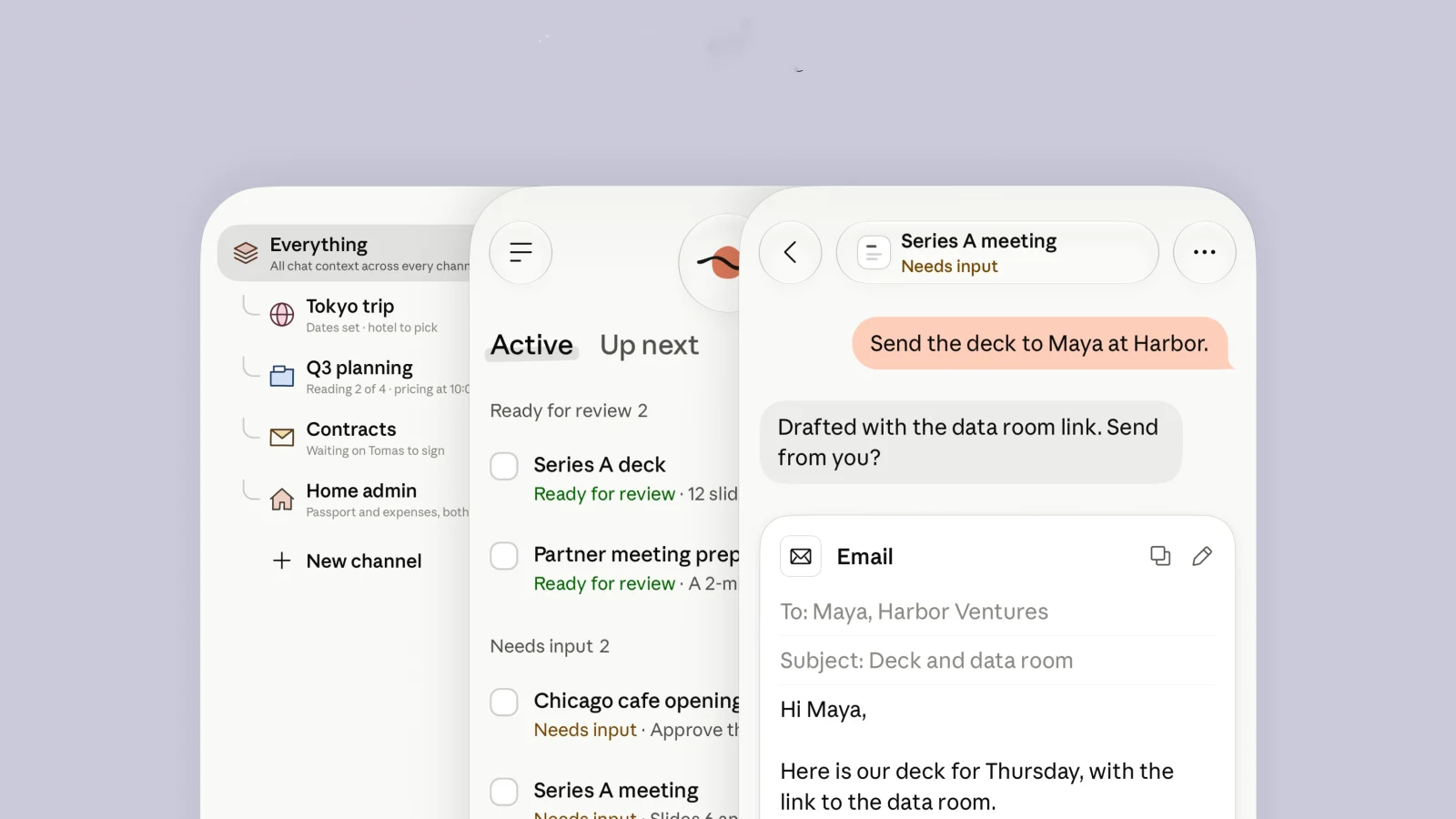

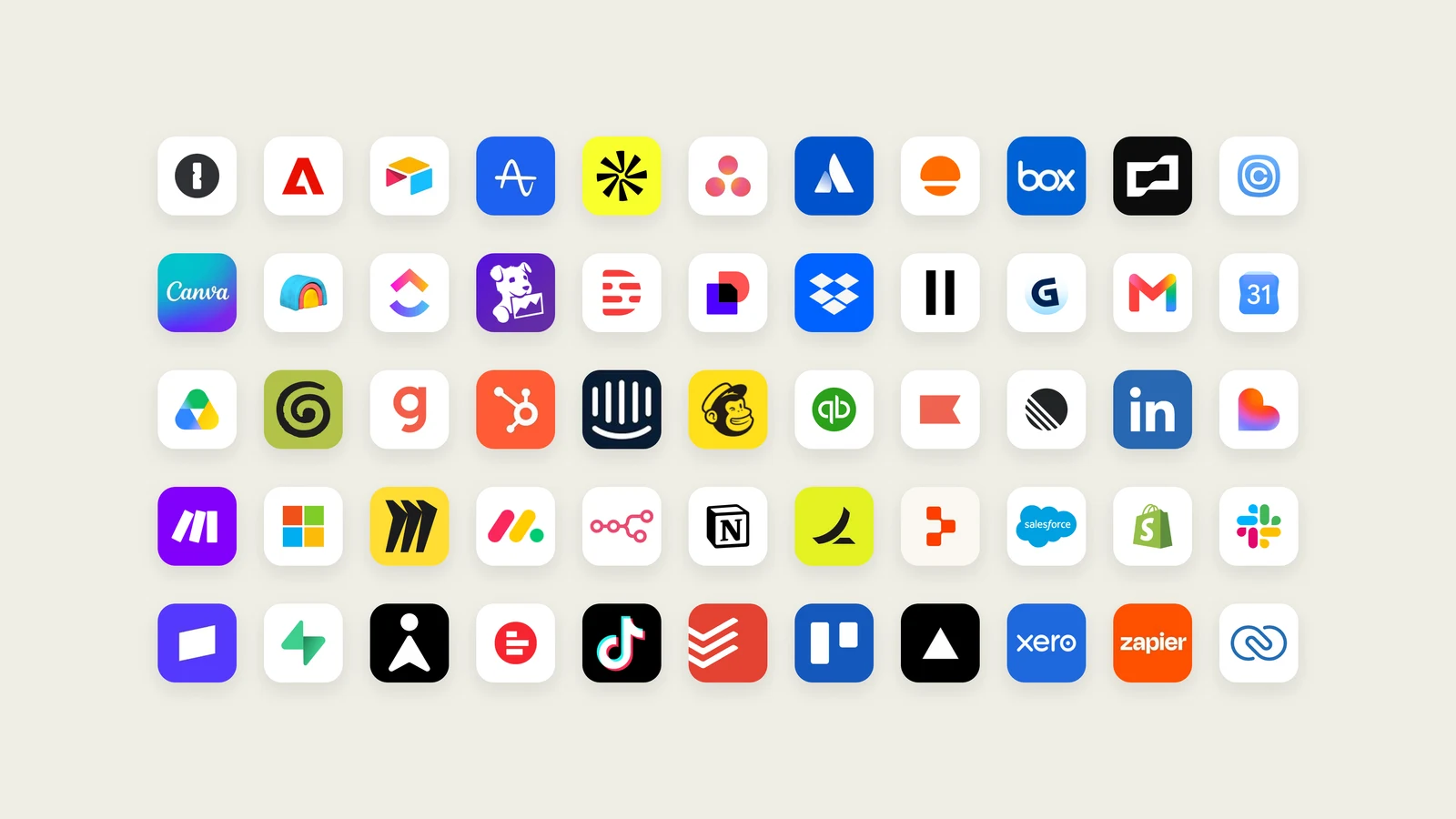
It runs on Claude Opus 5.5 and connects to more than 6,000 connectors and plugins in the Claude Marketplace, including Gmail, Google Calendar, Slack, QuickBooks, Stripe, Shopify, Gusto, HubSpot, Docusign, and Canva. Your Claude memory, skills, and connected apps carry over, so there's very little setup.
Anthropic's examples are aimed squarely at small business owners. A real estate broker's morning brief caught a property showing booked on the wrong day. A restaurant owner with about 110 employees uses it for accounting, customer support, and marketing, working through invoices store by store. A brand strategist got a brief prepped for a prospect call, and Duet noticed the call landed right before a flight and offered to move it.
What Anthropic Got Right
I build these systems for a living, so I'll give credit where it's earned. Three parts of Duet are excellent.
The approval line is in the right place. Duet can read, draft, and prepare work on its own. Before it sends a message, makes a payment, signs a document, or deletes anything, it shows you exactly what it's about to do and waits. Some things it won't do even if you say yes: it won't trade securities or move money between accounts. That's the same line I draw with my own agents, and I'm glad the biggest name in this space drew it in the same place.

The credential handling is serious. Duet never sees your passwords or sign-in tokens directly. When it buys something through Stripe's Link wallet, it confirms the item with you, Link asks for your approval, and the payment goes on a virtual card so your real card number is never exposed. A separate check reviews every message for sensitive information leaking out, and it refuses outright to share things like credit card numbers or government ID. This is a better security story than most consumer AI products ship with.
It comes to you. The morning brief and the "only ping me when it matters" check-ins are the right shape for a busy owner. Most people never get value from AI because they forget to open the app. Duet removes that problem.
What Duet Can't Do (Yet)
It's a research preview, and Anthropic is upfront about the limits. Here's what stood out to me as a business owner.
You probably can't use it yet. It's waitlist-only, open only to Claude Pro and Max subscribers in the US. Team and Enterprise plans aren't included. If your firm runs on a Claude Team plan, you're out for now.
It's one assistant in one thread. Every job, big or small, goes through the same agent in the same conversation. That's fine for a personal assistant. It's a lot to ask of one helper if you hand it your marketing, your inbox, your invoices, and your sales follow-ups all at once.
You can't watch it work. Anthropic says plainly that you can't see Duet's browser yet. You see results and approval requests, not the work as it happens.
It shares your usage limits. There's no separate price, but Duet draws from the same limits as the rest of your Claude plan. Background check-ins count, and big jobs like a financial model or a deck use more. If you already push your plan hard, Duet is competing with you for the same allowance.

It can miss things and misjudge them. In Anthropic's own words, it may misread a thread, misjudge what's urgent, or miss something that arrives between check-ins. It's also weaker on personal errands like booking tickets.
None of these are deal-breakers for a preview. They are the reasons I'm not moving my business onto it.
What My AI Agent Dashboard Looks Like
If you're new here: my businesses, FOCUSED SketchUp and Arched Manor, run on an AI staff I built myself. The agents run on Claude Code. Their home base is a web dashboard I call JohnAI, hosted on Vercel, with every piece of data stored in a Supabase database I own.
The dashboard is organized like a company because the staff is organized like a company. There are seven executive agents: Sally runs sales, Mark runs marketing, Frank runs finance, Olive runs operations and is my executive assistant, Pete runs product, Lawson handles legal, and Tom runs technology. Under them are four team leads, including Fiona for FOCUSED marketing and Archie for Arched Manor marketing, and 30 specialist agents with one job each. That includes a blog researcher, a blog writer, a webmaster, a social media strategist, an email marketing agent, three inbox handlers, a bill-pay agent, a travel agent, and four sales agents working the DM pipeline.

When I open the dashboard, I see the whole operation. Each department has its own page with its own numbers. The Blog page shows every post moving from idea to draft to staging to live. That's how the post you're reading got here. The Jobs page shows every scheduled job, when it last ran, and whether it finished, with an hourly watchdog that restarts anything stuck. The Monday staff meeting is a real thing: each executive agent files a report, and the summary hits my phone at 6:30 AM.

Six Reasons My Dashboard Beats One Assistant
Same model underneath, so this isn't about Claude versus something else. It's about structure.
1. A team beats a generalist
When Duet gets something wrong, there's one agent and one thread to untangle. When something goes wrong in my system, I know exactly where to look, because every agent has one job and a boss. The FOCUSED inbox handler triages my business email and checks with Frank before drafting anything about a refund. The webmaster publishes only posts I've approved. Narrow jobs make better agents, the same way they make better employees.

2. I can see everything
Duet shows you results. My dashboard shows me the work. Every agent run is logged with when it started, what it did, and how it ended. Every approval I've ever given is a row in my database. If I want to know why a post went out on a Tuesday, I can see who drafted it, who staged it, and when I clicked approve. When an agent stalls, the dashboard flags it before I'd ever notice.
3. The rules are mine to write
Duet's approval line is good, but it's Anthropic's line. Each of my agents has a written charter, a plain text file that says what it does, what it reads first, what it can do alone, and what it must bring to me. If I want a new rule, I add a sentence. For example, the email agent never sends a broadcast without my okay, with one exception I pre-approved: a Friday resend to people who didn't open, which I can veto over the weekend. That kind of custom rule is exactly what a real business needs, and a one-size-fits-all app can't offer it.

4. It works with the tools I actually use
Six thousand connectors is impressive, but my business doesn't run only on the popular apps. My sales agents work inside the chat inbox where my DM sales happen. My agents read orders from my checkout, draft broadcasts in Kit, schedule posts across seven social platforms, and pull ad results from my own ROAS tracking app. Because I own the code, any tool with an API, or even just a login page, can become part of the system.
5. It's built for a team, not one login
Duet is a personal agent on a personal plan. Megan runs Arched Manor with me and has a set of agents too. Megan's personal and business inboxes are triaged in Megan's own voice, and only Megan's chats can reach them. Megan approves Arched Manor posts and ads from the same dashboard I use. That's what a business looks like: more than one person, with clear lines about who sees what.

6. I own the whole thing
Duet lives inside Anthropic's app, on Anthropic's plan, under Anthropic's roadmap. Its future depends, in Anthropic's own words, on early feedback. My dashboard is a standard web app, my agents are files in my repo, and my data sits in a database I can export any day of the week. I pay for Claude by usage instead of sharing a plan allowance with my own chats. If a better model ships tomorrow, I change one setting. Nothing about how my business runs depends on a preview staying the way it is.

Who Should Use Duet Anyway
I'd tell plenty of people to join the waitlist today.
If you're a solo designer or consultant, you're already on Claude Pro or Max, and what you need most is someone watching your inbox and calendar and reminding you what matters this morning, Duet is a great fit. The approvals are smart, the security is serious, and it costs nothing extra. It's also the easiest way I know to feel what working with a proactive AI is actually like.

Where I'd draw the line is the move from personal help to running the business. Once AI is publishing your content, working your sales pipeline, paying your bills, and handling two brands with two people approving, you need departments, written rules, a log of every action, and a screen where you can see it all. That's what a dashboard gives you and what a single chat thread can't.
Frequently Asked Questions
What is Claude Duet?
Claude Duet is a proactive AI agent from Anthropic, released as a research preview on October 21, 2026. It's a separate app for iPhone, Android, and claude.ai that monitors your connected apps, sends a daily morning brief, works on tasks in its own cloud computer, and asks for your approval before it sends messages, makes payments, signs documents, or deletes anything.
How much does Claude Duet cost?
There's no separate price during the preview. Duet is included with Claude Pro and Max plans in the US and shares your plan's usage limits. Its background check-ins count against those limits, and larger tasks like financial models or decks use more.
Who can use Claude Duet?
For now, only US subscribers on Claude Pro or Max who join the waitlist and are let in. Team and Enterprise plans aren't included in the preview.
What can't Claude Duet do?
It won't trade securities or move money between accounts, even with your approval. You can't watch its browser yet. Anthropic also says it may misread a thread, misjudge urgency, miss something that arrives between check-ins, and is weaker on personal errands like booking tickets.
How is an AI agent dashboard different from Claude Duet?
Duet is one assistant in one chat thread inside Anthropic's app. My dashboard runs a team of 41 Claude agents organized into departments, each with a written charter, with every run and approval logged in a database I own and visible on one screen. It supports more than one person approving work, and it connects to any tool the business uses, not only the ones in a marketplace.
Claude Duet is the clearest sign yet that the future I've been building toward is real. The most careful AI company in the world just shipped an agent that watches your business, works while you sleep, and asks before it acts. I'm glad it exists, and it will turn a lot of people on to the idea. But an assistant isn't a staff. If AI is going to run real parts of your firm, give it departments, give it rules you wrote, and give yourself a dashboard where you can see all of it. That's the version worth building, and it's exactly what I teach.
Tags